

Trumpet etudes PDFs offer structured practice, blending technical drills with musicality․ They provide graded pieces, from beginner to advanced, enabling focused work on tone, articulation, and range․ Downloading legal PDFs supports consistent progress and preserves intellectual property․ Enjoy Play․
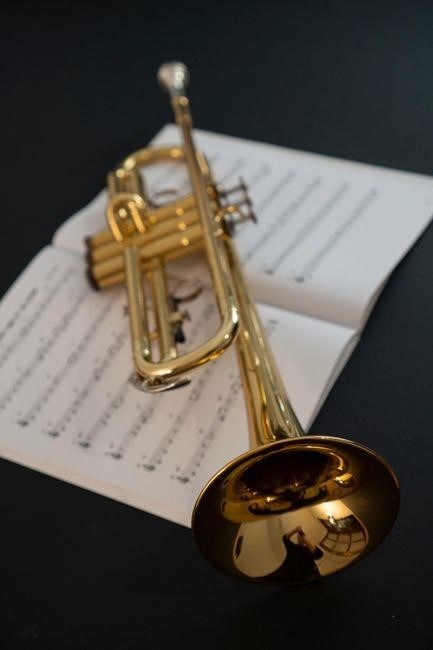
1․1 Purpose and Benefits
Trumpet etudes PDFs are concise tools that bridge basic scales and full repertoire․ They present progressive passages that sharpen intonation, breath control, and rhythmic accuracy․ The digital format supports easy annotation and sharing, fostering collaborative learning․ Advanced players use etudes to refine interpretation, phrasing, and dynamic contrast while keeping technical rigor․ Structured progression maximizes practice time, reduces redundancy, and promotes measurable improvement․ Ultimately, they build a solid foundation, enhance expressiveness, and prepare musicians for performance and exams․ Students can annotate directly on the PDF, marking difficult passages and noting tempo changes․
PDF editions eliminate costly scores, letting students carry a full collection on one device․ Portability encourages spontaneous practice in any setting․ Zooming and layout adjustments aid visual learners, keeping passages clear․ Many publishers pair PDFs with audio or MIDI files, helping develop aural skills and tempo sense․ Learners can cross‑check their playing against professional interpretations, gaining insight into style․ Structured etudes foster disciplined habits: setting goals, tracking progress, revisiting pieces to reinforce mastery․ Teachers can distribute PDF assignments, track progress, and provide instant feedback․ This systematic approach builds technical competence, confidence, and a sense of accomplishment․
- Immediate access to a wide range of technical studies․
- Consistent format supports efficient review and self‑assessment․
- Digital sharing enables collaborative practice and instruction․
By integrating these PDFs into routine, trumpet players cultivate precision, musicality, and confidence, paving the way for growth․
Major Publishers and Collection Highlights
Alfred Music’s Julius H․ Etudes and Hal Leonard’s T․ Kennedy Etudes are key PDFs․ They cover technique, tone, and musicality, with audio support․ These collections help students worldwide improve practice and performance․ Ideal for soloists ensembles․
2․1 Alfred Music (Julius H․ Etudes)
Alfred Music’s Julius H․ Etudes collection is a cornerstone for trumpet students seeking structured, progressive training․ Each etude targets specific technical challenges—ranging from articulation, tonguing, and dynamic control to advanced slurs, double‑tonguing, and extended range․ The set is organized into three progressive levels, allowing beginners to build a solid foundation while advanced players refine nuanced phrasing and tone color․ The PDFs are available in both standard and high‑resolution formats, accompanied by audio recordings that demonstrate correct embouchure, breath support, and phrasing․ This dual‑media approach enables students to compare their playing with professional examples, fostering self‑assessment and targeted improvement․ The collection includes detailed performance notes, tempo markings, and suggested practice strategies, making it a comprehensive resource for teachers and soloists alike․ With a focus on musicality, the etudes incorporate lyrical passages, rapid scales, and rhythmic variations that mirror concert repertoire demands․ The set’s copyright status is fully licensed, ensuring legal use for educational institutions and private practice․ By integrating these PDFs into daily routines, students can systematically develop technical proficiency while cultivating expressive musicianship, ultimately preparing them for advanced studies and professional performance․ Students may also share their progress on forums, receiving input from peers and instructors․
2․2 Hal Leonard (T․ Kennedy Etudes)

Hal Leonard’s T․ Kennedy Etudes offer a graded set of trumpet studies designed to develop technique and musicality․ The PDF collection is divided into three levels, each focusing on specific challenges such as articulation, tone consistency, and dynamic control․ High‑resolution notation, tempo markings, and performance notes accompany each etude, while audio recordings demonstrate proper embouchure and phrasing․ The set is fully licensed, ensuring legal use for private practice and classroom instruction․ Teachers can assign etudes to target weaknesses like double‑tonguing or long‑note sustain, and students can print, annotate, and share progress digitally․ Consistent practice of the Kennedy etudes builds a strong technical foundation, refined tone production, and a deeper musical understanding that translates directly to concert repertoire․ PDFs are available for purchase on major music‑distribution platforms, with instant download and secure cloud storage options․ This resource is ideal for soloists, ensemble members, and educators seeking a comprehensive, legally compliant study set․ Students often report improved confidence and performance readiness after completing the set, making it a staple in conservatory curricula worldwide․ The PDF format allows students to print, annotate, and integrate the studies into digital practice tools, ensuring flexibility across learning environments․ This approach supports technical mastery and artistry

PDF Availability and Legal Considerations
Trumpet etudes PDFs can be sourced from authorized retailers, libraries, or publisher sites․ Legal PDFs ensure copyright compliance, avoiding piracy risks․ Free public‑domain PDFs exist for older works, but newer editions require purchase․ Always verify licensing before downloading․ Legal PDFs only․!!!
3․1 Paid Legal Sources
Paid legal sources for trumpet etudes PDFs include major music publishers such as Alfred Music, Hal Leonard, and Boosey & Hawkes, each offering a range of etudes from beginner to advanced․ These platforms provide high‑quality, scanned PDFs that preserve the original notation, annotations, and editorial markings․ Purchasing from the publisher’s website guarantees that the user receives a legitimate, up‑to‑date edition, often accompanied by audio samples, MIDI files, and interactive practice tools․ In addition to direct downloads, many retailers offer subscription services that grant access to a library of etudes for a monthly fee, allowing students to explore a broader repertoire without individual purchases․ When buying, it is essential to verify that the PDF is licensed for personal use; some vendors restrict redistribution or commercial use․ By supporting paid legal sources, musicians not only respect intellectual property rights but also receive reliable, accurate scores that aid in effective practice and performance preparation․ Moreover, many publishers provide bundled packages that include multiple etude collections, allowing students to purchase a comprehensive set at a discounted rate․ These bundles often come with supplementary materials such as audio recordings, teacher’s guides, and practice logs to track progress․ By investing in these resources, learners gain access to high‑fidelity scores that maintain editorial accuracy, ensuring that the nuances of phrasing, dynamics, and articu
3․2 Free Public Domain PDFs
Public‑domain trumpet etudes are freely accessible through libraries, archives, and digital repositories․ Classic works by composers such as Johann Strauss, Joseph Haydn, and Johann Sebastian Bach, adapted for trumpet, often appear in the public domain and can be downloaded as PDF files without cost․ National libraries, university collections, and the IMSLP (International Music Score Library Project) host thousands of scores that have passed the copyright threshold, allowing musicians to practice without licensing fees․ These PDFs typically contain the original manuscript or a faithful reproduction, preserving historical notation and editorial commentary․ Because they are free, users can redistribute, modify, and annotate the scores for personal study or teaching purposes, provided they comply with the terms of the public status․ However, the quality of the scans varies; some documents may lack high images or clear articulation marks, requiring careful review before use․ For advanced practice, students may supplement public etudes with arrangements or transcriptions that remain in the public domain, such as 20th‑century trumpet studies by Frederick R․ Brown or the “Alfred” etudes from the early 1900s․ By leveraging these resources, musicians can build a robust practice routine while avoiding legal complications and supporting the preservation of musical heritage․ These PDFs also serve as teaching aids, letting instructors assign drills and monitor student growth throughout the semester․ now!
3․3 Copyright Issues and Risks
When accessing trumpet etudes PDFs, the legal landscape can be complex․ Most contemporary etudes are still under copyright, meaning that downloading or sharing them without permission can lead to infringement․ Even if a PDF appears free online, it may be a pirated copy of a work that the publisher holds exclusive rights to․ The risk is not limited to legal penalties; it also undermines the livelihoods of composers, publishers, and performers who rely on royalties․ In many jurisdictions, the threshold for public domain is 70 years after the creator’s death, but this varies․ For instance, a 1920s etude may still be protected if the composer died in 1950․ Additionally, some publishers offer “open‑access” PDFs under Creative Commons licenses, but the terms can differ—some allow personal use only, while others permit commercial distribution․ Musicians should verify the license before printing or distributing․ If a PDF is shared on a peer‑to‑peer site, it is almost always a violation of the Digital Millennium Copyright Act (DMCA) in the United States․ The DMCA imposes civil liability for uploading infringing material, and repeat offenders can face criminal charges․ Beyond legal consequences, using unauthorized PDFs can compromise the quality of the score: missing rehearsal marks, incorrect key signatures or misprinted slurs can derail practice․ Therefore, it is prudent to obtain PDFs from reputable sources such as the publisher’s officialwebsite, university libraries, or verified digital archives․․․․

Practical Usage of Trumpet Etude PDFs
Organize PDFs into folders by level, annotate with music software, and use a metronome app for tempo control․ Print copies for rehearsal, mark difficult passages, and integrate with digital practice tools for playback and analysis․ Consistent organization boosts learning efficiency․ Track progress daily

4․1 Organizing and Annotating
When working with trumpet etude PDFs, a systematic approach to file management and annotation can dramatically improve practice efficiency․ First, create a hierarchical folder structure on your computer or cloud storage: top‑level folders for each publisher (e․g․, Alfred, Hal Leonard), subfolders for difficulty level (beginner, intermediate, advanced), and finally folders for individual etudes․ Naming conventions should include composer, title, and key to avoid confusion (e․g․, “H․ Kennedy – Etude in C‑sharp – Level 2”)․ This consistency allows you to locate a piece in seconds, even when juggling multiple projects․ Second, use a PDF editor such as Adobe Acrobat, PDF-XChange, or free tools like PDFsam to add sticky notes, highlight passages, and insert text boxes․ Highlight technical challenges—fast runs, wide intervals, or tricky articulations—so you can focus on them during warm‑ups․ Add margin notes with tempo markings, dynamic cues, or personal reminders (“check embouchure”)․ When you print a copy, the annotations remain visible, providing a quick reference during rehearsal․ Third, maintain a practice log in a spreadsheet or note‑taking app․ Record the date, etude title, time spent, and specific goals (e․g․, “reduce attack on staccato”)․ Linking the log to the PDF file path ensures you can revisit the exact version you practiced․ Finally, back up your annotated PDFs regularly․ Cloud services like Google Drive or Dropbox automatically sync changes, while external hard drives offer an extra layer of security․ By combining organized storage, precise annotation, and diligent logging, you turn scattered PDFs into a focused, data‑driven practice toolkit that supports consistent improvement and long‑term skill development Practice consistency yieldsmeasurable progress
4․2 Integration with Digital Practice Tools
Digital practice tools transform static trumpet etude PDFs into interactive learning experiences․ First, import the PDF into a music notation app such as MuseScore, Sibelius, or Finale․ These programs allow you to play back the score with brass samples, set tempo changes, and loop specific measures․ Second, pair the playback with a metronome app like Metronome by Soundbrenner or the built‑in metronome on iOS/Android․ Most apps support click tracks that can be imported into the notation software, ensuring you stay on time while hearing the etude’s rhythm․ Third, use a recording device or a DAW (Digital Audio Workstation) to capture your practice sessions and daily time․ By listening back, you can objectively assess tone, intonation, and technical accuracy․ Many DAWs also provide visual waveforms, which help identify unwanted noise or breath attacks․ Fourth, leverage ear‑training apps such as Tenuto or Perfect Ear to practice interval recognition and key signatures found in the etudes․ Fifth, integrate MIDI controllers or a trumpet‑specific app like “Trumpet Tutor” that records your performance and compares it to the score․ Finally, sync your PDF with a tablet or e‑ink reader that supports annotation․ Apps like Notability or GoodNotes let you write directly on the score, add color‑coded markers for difficult passages, and export the annotated PDF for sharing with instructors․ By combining playback metronome recording ear training and annotation you create a closed feedback skill acquisition, !!keeps today motivation high!
Recommended Practice Strategies
Use PDF etudes to structure daily drills․ Start slow, focus on tone, then increase tempo․ Employ metronome, record, and analyze․ Highlight challenging passages with color․ Integrate ear‑training apps for pitch accuracy․ Consistent, focused sessions yield measurable progress․ Track, adjust level daily․
5․1 Slow Practice and Metronome Use
When working with trumpet etude PDFs, slow practice is essential․ Begin each section at a tempo that allows clean articulation and consistent tone․ Use a metronome set to a comfortable beat, often 60–80 BPM, and focus on evenness across phrases․ Record yourself to catch subtle timing issues and adjust accordingly․ Gradually increase the speed in small increments, ensuring accuracy before advancing․ Employ rhythmic subdivision, marking subdivisions in the PDF to visualize beats․ Combine this with dynamic contrast exercises, noting crescendos and decrescendos․ Consistency in tempo builds muscle memory, while the metronome provides an objective reference․ If a passage feels unstable, reduce the tempo by 5–10 BPM and practice until the rhythm feels secure․ After mastering a passage at a given speed, test it at a slightly faster pace to confirm retention․ This methodical approach ensures technical growth while preserving musical expression․