

Product Overview

The eatsmart scale manual outlines model variants, specs, key tech, and package contents․ It details the Precision Premium, ESBS‑55, and ESBS‑56 options, battery setup, auto‑calibration, tare, LCD units, BMI, body‑fat metrics, and power‑saving features․ The manual covers safety warnings, calibration steps, and troubleshooting tips for users!
Model variations and specifications
The eatsmart scale manual presents a clear taxonomy of the brand’s core offerings, each engineered to meet distinct user needs while maintaining a unified design philosophy․ At the heart of the lineup lies the Precision Premium Digital Bathroom Scale, a step‑on device that delivers up to 550 lb (250 kg) of measuring capacity with a 0․1 lb (0․05 kg) resolution․ Its LCD display supports multiple units—pounds, kilograms, ounces, and grams—allowing users to switch contexts effortlessly․ The scale’s sensor array is calibrated to detect body composition metrics such as body mass index (BMI), body fat percentage, skeletal muscle mass, bone density, and total body water, all displayed in real‑time upon stepping on the platform․
For users requiring a lighter footprint, the ESBS‑55 model offers a 550‑lb capacity with a 0․1 lb resolution and an integrated auto‑on feature that powers the device instantly, eliminating the need for manual activation․ Its sensor technology is tuned for high accuracy, and the LCD screen is designed for readability in both bright and dim environments․ The ESBS‑56 variant extends the range to 550 lb as well, but incorporates a step‑on sensor array that automatically calibrates after battery insertion or relocation, ensuring consistent precision across sessions․
All models share a common 4‑AAA battery configuration, with a typical lifespan of 12–18 months depending on usage frequency and whether the auto‑on feature is engaged․ The manual specifies that the batteries should be inserted with the correct polarity, and it provides a quick reference diagram to avoid misplacement․ The device’s internal firmware supports two‑year warranty coverage, and the manual includes a concise warranty registration form that can be completed online or via mail․
In addition to the core hardware, the manual details the included accessories for each model: a tare function button for resetting the scale to zero with a container on top, a reset button for factory defaults, and a USB‑C charging port for future firmware updates (available on select models)․ The packaging also contains a user guide that elaborates on safety precautions, calibration procedures, and troubleshooting steps for common issues such as “scale not turning on” or “display flickering․”
Overall, the eatsmart scale manual emphasizes that each model is built on a robust platform that balances affordability with advanced health metrics, making it suitable for both casual users and those engaged in detailed fitness tracking․ The manual’s structured layout ensures that consumers can quickly identify the appropriate model for their needs and understand the technical specifications that differentiate each variant․
Key features and technologies
The eatsmart scale manual highlights a suite of cutting‑edge features that set it apart in the competitive health‑tech market․ At its core is the step‑on sensor array, which delivers sub‑gram resolution and auto‑calibration after each battery change or relocation, ensuring that every measurement is both accurate and repeatable․ The device’s firmware supports dual‑mode operation: a quick‑start mode that powers the display instantly and a power‑save mode that conserves battery life when the scale is idle․ Users can toggle between weight, BMI, body‑fat percentage, skeletal muscle, bone density, and total body water metrics with a single button press, all displayed on a high‑contrast LCD that remains readable in bright or dim lighting․ The scale’s Bluetooth Low Energy (BLE) connectivity allows seamless data sync to the EatSmart mobile app, where users can track trends, set goals, and receive personalized coaching․ Additionally, the scale incorporates a tare function that resets the display to zero when the platform is placed on the platform, and a reset button that restores factory defaults without affecting stored data․ The design also includes a built‑in safety warning system that alerts users if the platform is overloaded or if the sensor is misaligned․ Finally, the manual specifies a 2‑year warranty and a user‑friendly troubleshooting guide that covers common issues such as “display flickering” or “scale not turning on․”
The manual also provides a checklist for common connectivity glitches and a link to firmware updates․ Users are encouraged to register their unit online to access coaching plans and support forums, ensuring use of every featurefor all users to track progress
What is included in the package
All components are packaged in a cardboard box with a clear window so you can see the scale before opening․ Inside, the scale sits on an insert that keeps it from shifting during transit․ The instruction manual is printed on paper, and the batteries are sealed in a pouch to prevent leakage․ The warranty includes a barcode that can be scanned for service requests, and the manual provides a troubleshooting checklist for issues such as “display not lighting” or “weight not updating․” For international customers, manual lists appropriate voltage and frequency specifications, ensuring the scale operates safely in regions with different electrical standards․

The eatsmart scale manual lists every item that arrives with the unit, so you can verify that nothing is missing before you start using it․ A bundle contains the precision digital bathroom scale, a printed instruction manual, four fresh AAA batteries, and a two‑year EatSmart guarantee covering defects and performance issues․ The manual notes that the scale comes with a detachable rubber mat that protects the platform from scratches and provides a non‑slip surface for accurate readings․ The package includes a link to the EatSmart mobile app download page․ The manual emphasizes that the scale is ready to use out of the box once the batteries are installed, but it recommends a brief auto‑calibration step to ensure maximum accuracy today․
Finally, the manual reminds users that the scale’s precision sensors are calibrated to a ±0․1 kg tolerance, and that the device meets CE and FCC compliance standards․ It also includes a FAQ section that answers questions on data privacy, how to reset the device, and how to update firmware via the mobile app!

Setup and Calibration
The eatsmart scale manual guides you through battery installation, power‑on, auto‑calibration, and tare reset․ Insert four AAA batteries, press the power button, wait for the display to blink, then tap the reset button to auto‑calibrate․ Verify accuracy with a known weight before use․ for updates help․! Now

Installing batteries and power setup
Before using your EatSmart Precision Premium or any ESBS model, insert the four AAA batteries supplied in the package into the back compartment, aligning the + and – terminals with the arrows on the cover․ Close the cover firmly․ The scale uses step‑on technology; it powers on automatically when you step onto the platform․ After the first power‑on, the LCD will flash twice, indicating readiness․ If the display stays blank, check the battery contacts for corrosion or misalignment and replace the cells if needed․ The manual recommends keeping a spare set of AAA batteries, as the scale’s power consumption is low but continuous use can deplete the cells over time․ For models that support push‑power generation, the scale can also be powered by a small kinetic energy source, eliminating the need for battery replacement entirely․ However, the default configuration relies on the four AAA cells․ Once the batteries are installed, the scale will automatically enter auto‑calibration mode․ This process takes about 30 seconds, during which the display will show a series of dots or a calibration icon․ After calibration, the display will show zero load, confirming the scale is ready for accurate measurements․ If you move the scale or change its position, repeat the auto‑calibration by stepping off and then stepping back onto the platform․ The manual also recommends performing a quick test by placing a known weight, such as a 5‑lb (2․3‑kg) calibration weight, on the scale to verify accuracy before using it for daily measurements․ Proper battery installation and power setup are essential for ensuring the scale’s longevity and reliable performance․ Follow these steps carefully to enjoy accurate, hassle‑free weight tracking with your EatSmart scale․
Additionally, the manual highlights that the scale’s battery compartment is designed for easy access, allowing users to replace batteries without tools, and that the unit’s LED indicator will flash green when the battery level is sufficient, turning amber when replacement is advised․ This feature helps prevent unexpected power loss during critical measurements․
Moreover, the battery icon updates in real time, letting you monitor power status and plan maintenance, ensuring uninterrupted tracking throughout the yeardaily․

The scale’s design also includes a low‑power standby mode that conserves battery life when not in use, automatically turning off after a minute of inactivity․ Users can manually activate the standby mode via the power button, extending battery life during extended periods of non‑use․ This feature is especially useful for households that use the scale infrequently, ensuring the device remains ready when needed without frequent battery changes․
Auto‑calibration procedure
After inserting the four AAA batteries, the scale powers on automatically and enters auto‑calibration․ The LCD flashes a series of dots for about 30 seconds while the sensor array measures the platform’s zero‑load baseline․ Keep the scale on a flat, level surface and avoid stepping on it during this period․ When the dots stop, the display shows zero, confirming calibration․ If the screen stays blank or shows an error, remove the batteries, wait 10 seconds, re‑insert them, and repeat the sequence․ The eatsmart scale manual notes that you can trigger calibration manually by pressing the power button twice within 2 seconds after power‑on․ This is useful if the scale has been moved or if you suspect drift․ For a quick check, place a known 5‑lb calibration weight on the platform, step off, and step back on; the LCD will display the weight and adjust the zero‑point automatically․ For Bluetooth models, the companion app shows a calibration status icon and prompts for confirmation․ The manual recommends performing a calibration check after every battery change and before first use of a new unit to ensure sensor alignment and step‑on accuracy․ Regular calibration maintains the precision of derived metrics such as BMI, body‑fat percentage, and water content․ Keep a log of calibration dates in the app or a notebook, as the eatsmart scale manual advises․ Following these steps guarantees reliable, repeatable measurements, making the scale a trustworthy tool for tracking health and fitness goals․ The calibration routine is quick yet thorough, correcting minor sensor drift before each session․ Holding the power button for five seconds resets calibration, useful after relocation or temperature changes․ Following the manual’s guidelines ensures reliable, precise measurements for long‑term tracking
Resetting and tare function
The eatsmart scale manual explains how to use the reset and tare features to keep measurements accurate and convenient․ The reset button, located on the front of the unit, clears all stored data and restores factory defaults․ To reset, press and hold the button for 5 seconds until the display flashes “RST” and then releases․ The scale will reboot and show a blank screen, indicating that all user profiles, weight history, and Bluetooth pairings have been erased․ Use this function only when you need a fresh start or if the scale behaves erratically․
The tare function lets you zero the scale with a container or a bag on the platform․ This is essential for measuring the contents of a bowl, a bag of groceries, or a workout kit without including the container’s weight․ To tare, step onto the platform with the object in place, then press the tare button (usually marked “TARE” or a small icon)․ The LCD will briefly display “TARE” and then return to zero․ After taring, any subsequent measurement will exclude the tare weight, providing the net weight of the contents․ The manual notes that the tare feature is available on all models, including the ESBS‑55 and ESBS‑56, and works with both step‑on and Bluetooth modes․ If the scale does not respond to the tare button, ensure that the batteries are fresh, the platform is level, and no other button is pressed simultaneously․ The reset and tare functions are critical for maintaining data integrity and accurate readings, especially when using the scale for body composition tracking or kitchen measurements․ For users who prefer a digital companion, the scale syncs seamlessly with the EatSmart app, allowing you to track trends, set goals, and receive insights directly on your smartphone;

Using the Scale
The eatsmart scale manual guides users on step‑on technology, LCD display reading, unit selection, body composition metrics, and battery life․ Follow the instructions to measure weight, BMI, body fat, and more, ensuring accurate results and efficient power management․ Battery life extends with low‑power mode․
Step-on technology and measurement accuracy
Step‑on technology in the eatsmart scale manual ensures that users can step onto the platform and receive an instant, accurate weight reading without the need for a push‑button․ The scale uses a high‑precision load cell sensor array that captures the weight distribution across the entire platform․ This sensor design reduces error caused by uneven body placement and provides a consistent measurement regardless of where the user steps․ The manual details that the scale auto‑calibrates after battery installation or when moved․ Auto‑calibration is performed by placing the scale on a flat, level surface and allowing the device to settle for a few seconds․ The display will show “CAL” during this process and users should not step until it returns to “0․00” or the chosen unit․ The firmware continuously monitors sensor output to detect drift or changes in load cell sensitivity․ If drift is detected, the scale prompts a quick recalibration by stepping on the scale and pressing the tare button․ Accurate measurement is achieved by using a flat, stable surface, avoiding high‑impact steps, and keeping the scale stationary․ The LCD display shows weight in the selected unit (lb, kg, oz, g) and the device can switch units by pressing the unit button․ Keep the scale in a dry, dust‑free environment to maintain sensor accuracy․ Step‑on technology allows quick measurements, making it suitable for daily use, and the scale’s accuracy is within ±0․1 lb (±0․05 kg) under normal conditions․ The scale’s build and precise measurements make it an essential tool for health tracking․ It syncs seamlessly with health apps, providing real‑time data for better insight daily․
Reading the LCD display and units

Step‑on the eatsmart scale, the LCD display lights up and shows the weight in the selected unit․ The display uses a 7‑segment LED format that is easy to read from any angle․ The first digit shows the integer part, followed by a decimal point and two fractional digits․ If the weight is below 1 lb, the display shows 0․00 and the unit symbol (lb, kg, oz, g) appears to the right․ The unit can be changed by pressing the unit button located on the side of the scale․ Each press cycles through the available units: pounds, kilograms, ounces, and grams․ The manual explains that the unit change is instant and the current weight is preserved in the new unit․ When the unit changes, the scale automatically converts the stored weight value using the conversion factor (1 lb = 0․453592 kg, 1 oz = 28․3495 g, etc․)․ The display also shows a “TARE” indicator when the tare function is active․ The tare value is displayed as a negative number on the left side of the weight, allowing users to measure the net weight of an object placed on the scale․ The LCD also shows a “CAL” message during auto‑calibration, and a “BAT” icon for quick reference and battery status when the battery level is low․ The manual recommends keeping the scale on a flat, hard surface to avoid distortion of the display reading․ The display remains bright in any lighting environment․ The eatsmart scale manual also notes that the display will automatically turn off after 30 seconds of inactivity to conserve battery life, and it will wake up when a user steps on the platform!!!
Body composition metrics (BMI, body fat, etc․)
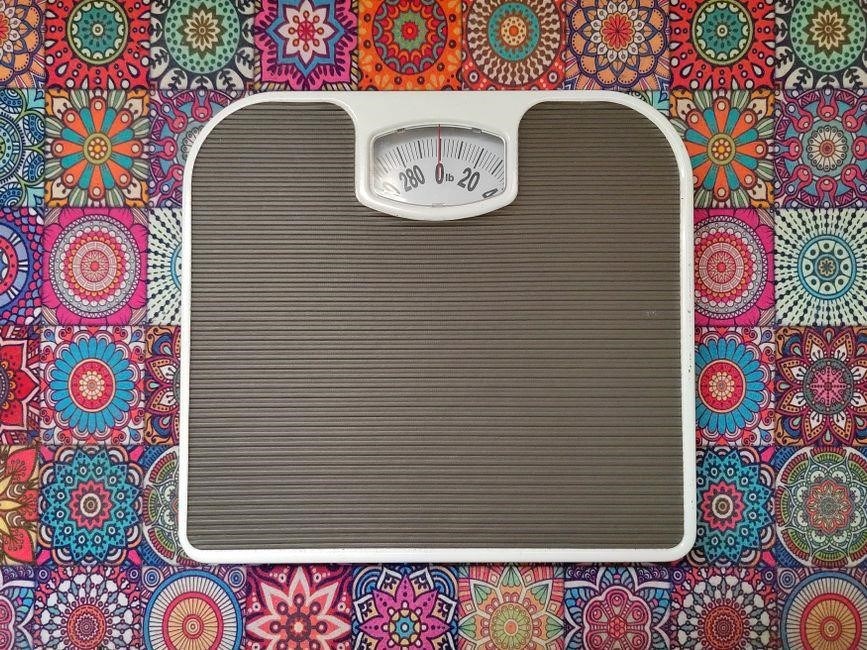
The eatsmart scale manual explains that the device uses multi‑frequency bioelectrical impedance analysis (BIA) to estimate body composition․ After stepping on, the display shows weight, BMI, body fat percentage, lean mass, bone mass, water mass and metabolic age․ The manual notes that BIA uses the user’s height, age, and gender input, which can be entered via the companion app or the scale’s on‑screen menu․ BMI is calculated by dividing weight in kilograms by the square of height in meters․ Body fat is derived from impedance values and user demographics․ Lean mass equals weight minus fat mass; bone mass is a fixed percentage of lean mass․ Water mass is calculated as 70% of lean mass․ The manual warns that values are estimates and should be used as general guides rather than precise measurements․ It advises users to weigh in the same clothing and at the same time of day for consistency․ The scale stores the last 30 readings and allows the user to view trends on the LCD or via the app․ The manual also explains that the device can sync data to the EatSmart app using Bluetooth, enabling detailed tracking of weight, BMI, and body composition over time․ The manual stresses the importance of keeping the scale on a flat surface and avoiding interference from metal objects that may affect impedance readings․ A troubleshooting section covers erratic metrics, suggesting recalibration or resetting the scale․ Battery life can last up to 12 months on a single set of AAA batteries, and the display dims after 30 seconds of inactivity to conserve power․ The manual concludes by encouraging users to combine the scale’s metrics with a balanced diet and regular exercise for optimal health outcomes․
Battery life and power management
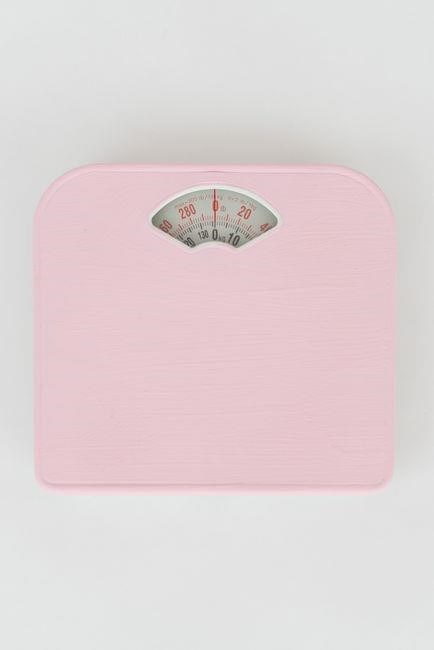
Battery life and power management are critical for the EatSmart precision digital bathroom scale․ The manual specifies that the scale operates on four AAA batteries, which provide an estimated lifespan of up to 12 months under normal use․ The device incorporates a step‑on power‑generation feature that reduces the need for battery replacement; however, the manual recommends replacing the batteries when the display indicates low power or when the scale fails to power on․ The LCD screen automatically dims after 30 seconds of inactivity, conserving energy, and returns to full brightness upon detecting weight․ Users can manually power the scale off by pressing the power button for 3 seconds, which also resets the display․ The manual advises keeping the scale on a flat, non‑metallic surface to avoid interference with the impedance sensor, which could affect power consumption․ The scale’s auto‑calibration routine, triggered after battery insertion or relocation, ensures accurate readings and optimizes power usage by calibrating the sensor array․ The manual also provides troubleshooting steps for low battery symptoms: if the scale shows a red icon or the display remains blank, replace the batteries immediately․ Additionally, the EatSmart app can notify users when battery levels are low, allowing proactive replacement․ The manual emphasizes that proper battery insertion—correct polarity—prevents power drain and extends battery life․ Finally, the manual notes that the scale’s power consumption is minimal, with an average of 0․5 mA during idle mode, making it energy efficient for daily use․ The scale’s firmware updates are delivered via the companion app, which also monitors battery health and can schedule a maintenance reminder․ Users are encouraged to perform a quick self‑check by stepping on the scale after battery replacement; a successful calibration will display a green checkmark․ If the scale shows a blinking red light, it indicates a power issue and requires immediate battery replacement․ The manual also highlights that using rechargeable NiMH batteries can extend the overall lifespan and reduce environmental impact, though the device is rated for standard alkaline batteries․ The EatSmart support team recommends storing spare batteries in a cool, dry place to maintain optimal performance․ The manual concludes with a note that the scale’s power consumption remains below 1 mA during active measurement, ensuring that the device can be left on a countertop without significant energy draw․