This guide helps you pick the right skating ski length․ Aim for a strap between chin and lower lip‚ roughly 10 cm longer than your classic pole․ Avoid overly tall poles that hinder form and add fatigue․ For most‚ 176 cm skis suit your height and weight‚ but adjust based on feel․ Test on varied terrain․ Fitand!
Factors Influencing Ski Length
Choosing the right skating ski length hinges on several interrelated factors that go beyond simple height or weight charts․ First‚ the strap height—ideally positioned between your chin and lower lip—provides a baseline for pole length‚ which should be roughly 10 cm longer than your classic pole to maintain optimal leverage without over‑extending․ Second‚ the type of skating technique you employ (V1‚ V2‚ or full double‑pole) directly influences the required ski length; longer poles can limit stride efficiency and increase back fatigue‚ especially when the athlete is not fully committed to double‑poling․ Third‚ terrain variation matters: on steep‚ technical sections‚ slightly shorter skis may offer better maneuverability‚ whereas on flat‚ high‑speed runs‚ longer skis can enhance stability and speed․ Fourth‚ equipment evolution and training regimes have shifted elite skiers toward longer poles and skis‚ allowing full double‑pole coverage of courses‚ but this trend also means that poles that are too long can interfere with herringbone technique and overall stride rhythm․ Finally‚ brand‑specific construction differences—such as core material‚ stiffness‚ and edge geometry—can make a 176 cm ski feel markedly different from a comparable model in another line‚ so testing at a reputable shop or demo session is essential to confirm fit and performance before committing to a purchase․ Moreover‚ the interplay of ski stiffness‚ core material‚ and edge geometry can alter glide efficiency‚ making a identical length feel responsive or sluggish depending on snow conditions and rider weight??
Height and Weight Correlation
When determining skating ski length‚ height and weight are the two primary metrics that most guides reference․ A common rule of thumb is to select a ski that reaches roughly the height of the skier’s chin when standing upright‚ but this can be adjusted upward by about 10 cm to accommodate a pole that is 10 cm longer than the classic pole․ This 10 cm “extra” length helps maintain a comfortable pole‑to‑body ratio‚ preventing the pole from becoming a hindrance that forces the athlete to compromise form․ Weight also plays a critical role: heavier skiers generally benefit from slightly longer skis because the added length provides more surface area for better edge grip and stability‚ especially on hard‚ icy terrain․ Conversely‚ lighter skiers may find that a ski that is too long feels unwieldy and can reduce their ability to execute quick‚ tight turns․ In practice‚ many shops recommend a ski length that is roughly 5–10 cm longer than the skier’s height for intermediate to advanced riders‚ while beginners might start slightly shorter to ease the learning curve․ It is also worth noting that brand‑specific construction can alter how a given length feels; a ski with a stiffer core or a larger edge radius may require a slightly shorter length to achieve the same feel as a softer‚ narrower model․ Ultimately‚ the best approach is to combine the height‑and‑weight guideline with a trial run on the actual equipment‚ ensuring that the ski feels balanced in both the uphill and downhill phases of a skating run․ By doing so‚ you’ll avoid the pitfalls of a ski that is either too short and unstable or too long and difficult to control‚ thereby maximizing both speed and precision on the slopes․ Additionally‚ the distribution of weight across the ski—whether the skier tends to sit higher or lower in the stance—can influence the optimal length․ A higher stance often benefits from a slightly longer ski to maintain a stable center of gravity‚ whereas a lower stance may prefer a shorter ski for better responsiveness․ Seasonal variations also matter: in spring or fall when the snow is softer‚ a slightly shorter ski can reduce drag and improve maneuverability‚ while in winter when the snow is hard and fast‚ a longer ski can provide the necessary edge control․ Finally‚ always remember that the strap height is a key indicator: if the strap sits comfortably between your chin and lower lip‚ you are likely within the correct range for most classic pole lengths‚ and the corresponding skating ski should be chosen accordingly․ Adjustments can always be made after a few runs‚ but starting with a length that aligns with both height and weight gives you the best chance for a smooth‚ confident performance․ Remember‚ the ultimate test is how the ski feels on the snow; always trust your senses over numbers․ If you’re unsure‚ consult a certified fitter or use a demo program to fine‑tune your choice․
Ski Length for Beginner Skaters
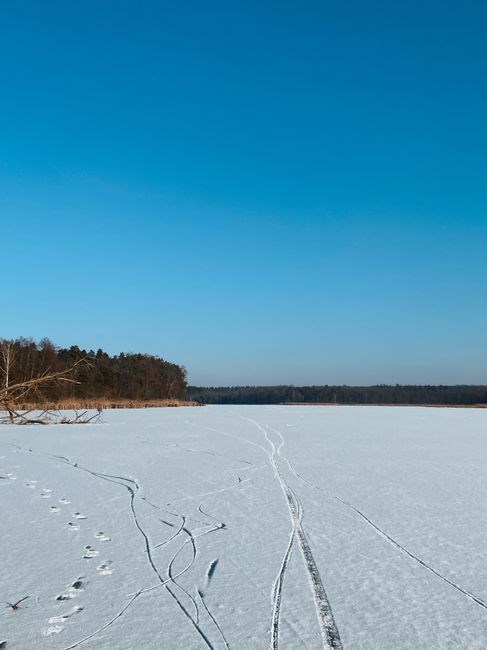
Beginner skaters often benefit from a slightly shorter ski than the standard height‑based recommendation․ The primary goal at this level is to develop balance‚ edge control‚ and confidence before adding the speed and power that come with longer equipment․ A common starting point is to choose a ski that reaches the mid‑chest or lower chest area when the skier stands upright․ This length typically falls 5–10 cm shorter than the height‑based calculation used for intermediate or advanced skiers․ The shorter ski provides a more forgiving feel‚ allowing the athlete to keep the board in contact with the snow and to make quick‚ short turns without the risk of over‑steering or losing balance․ Additionally‚ a shorter ski reduces the lever arm on the poles‚ which helps beginners maintain a steady rhythm and reduces the strain on the upper body that can occur when trying to push too hard with a longer pole․ Pairing with a pole 10 cm longer than the classic pole keeps rhythm‚ and checking boot‑ski camber ensures proper edge release․ When the skier feels comfortable with the shorter ski‚ they can gradually transition to a longer length that matches their height and weight more closely․ This progression allows the athlete to build muscle memory and confidence before tackling the more demanding dynamics of longer skis․ A moderate width of 70–80 mm and a softer flex rated 3–4 provide stability while allowing easy carving‚ which is essential for beginners learning to carve smoothly․ Testing the ski on slopes helps the skier gauge stability attempting runs!!
Ski Length for Intermediate Skaters
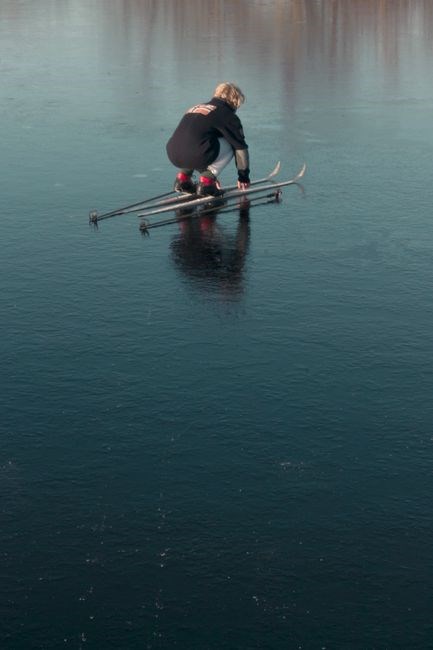
Intermediate skaters are ready to push beyond the beginner’s comfort zone and explore more aggressive carving‚ higher speeds‚ and varied terrain․ The ski length for this group is usually calculated by adding 10–15 cm to the skier’s height‚ but it should also reflect weight‚ skill‚ and personal preference․ A ski that reaches the lower chest or mid‑shoulder region when standing upright provides the right balance between stability and maneuverability․ This length gives enough leverage for powerful edge transitions while still allowing quick‚ tight turns on groomed runs or powder․ For those who enjoy aggressive carving‚ a slightly longer ski—up to 5 cm beyond the standard height‑based recommendation—can enhance edge grip and provide a more stable feel at speed․ Conversely‚ skiers who prefer a lighter‚ more responsive feel may opt for the shorter end of the range․ Width and flex are also critical: a medium width of 80–90 mm and a flex rating of 4–5 suit most intermediate athletes‚ offering a blend of stability on hard snow and agility in softer conditions․ Pairing with a pole that is 10 cm longer than the classic pole ensures a smooth rhythm and reduces upper‑body fatigue․ Finally‚ testing the ski on a variety of slopes—steep pitches‚ wide open bowls‚ and technical sections—helps fine‑tune the length․ Adjustments can be made by shortening or lengthening the ski by a few centimeters to match the skier’s evolving confidence and performance goals․ The key is to find a length that feels secure responsive‚ allowing the intermediate athlete to grow into the next level of skating performance! Enjoy!!
Ski Length for Advanced Skaters
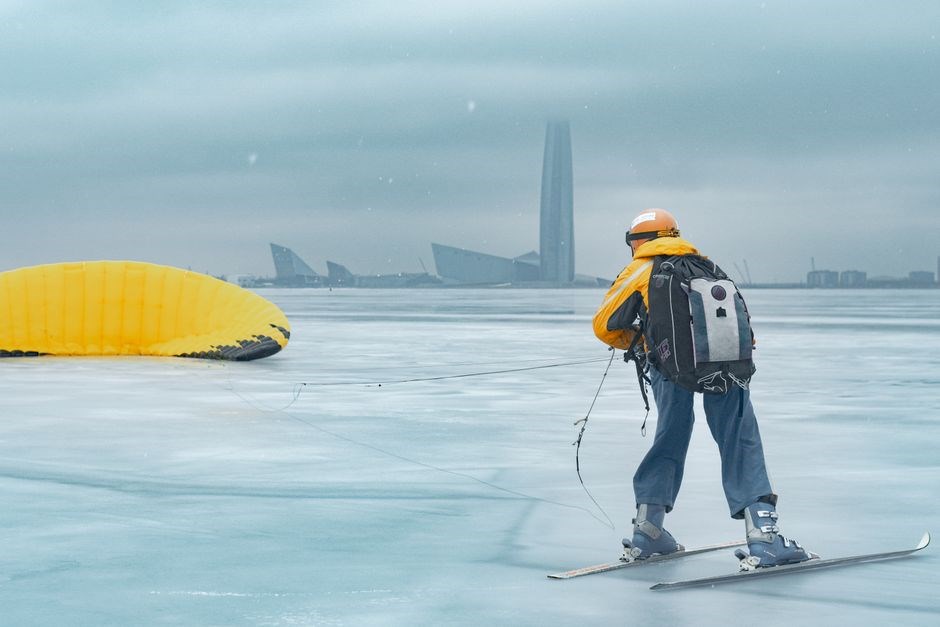
Advanced skaters demand maximum performance‚ precision‚ and the ability to exploit every ounce of edge․ The ideal ski length for this group typically extends 15–25 cm beyond the skier’s height‚ often reaching the mid‑neck or upper chest when standing․ This extra length enhances stability at high speeds‚ improves edge control on hardpack‚ and provides a larger platform for aggressive carving․ Advanced athletes typically weigh more and possess stronger core and leg muscles‚ allowing them to handle the additional leverage without sacrificing agility․ A ski length in the 190–210 cm range is common‚ but the exact figure depends on body mass‚ power output‚ and personal feel․ Wider skis (95–105 mm) with a stiffer flex (rating 5–6) are recommended to maintain edge grip on varied snow conditions‚ from icy gullies to deep powder․ Pairing a pole that is 10 cm longer than the classic pole ensures a full‚ efficient stride and reduces upper‑body fatigue․ When testing‚ advanced skaters should focus on high‑speed runs‚ steep pitches‚ and technical sections to gauge stability and responsiveness․ Fine‑tuning may involve shortening the ski by a few centimeters for tighter turns or lengthening it for added straight‑line stability․ Ultimately‚ the best length is one that feels secure‚ responsive‚ and capable of translating the athlete’s strength and skill into flawless‚ high‑performance skating․ Enjoy the ride!Push your limits‚ refine technique‚ and embrace the evolving technology to stay ahead of the competition․ Remember to review your gear regularly for optimal performance․ Stay sharp!!!!
Ski Length for Elite Skaters
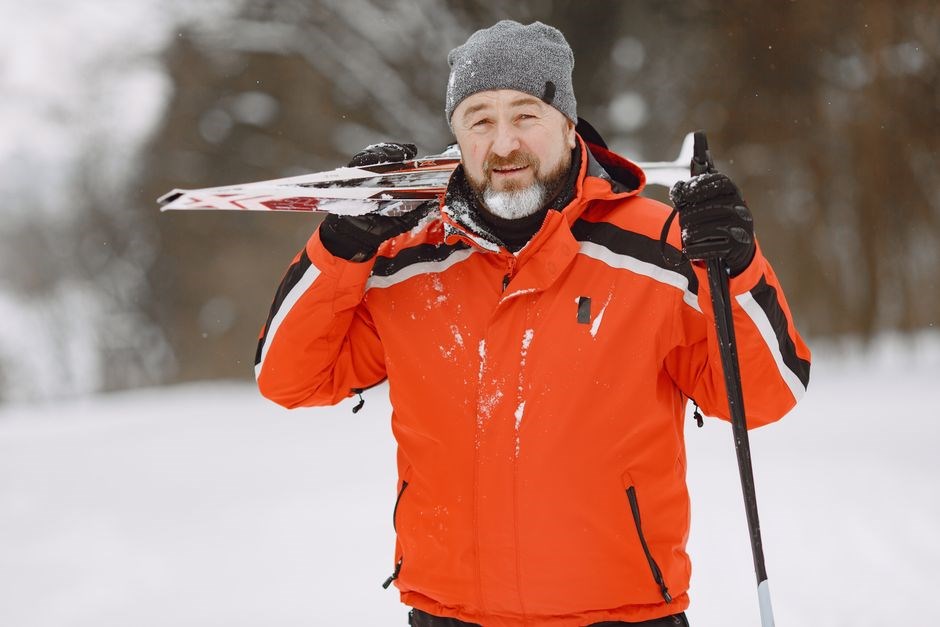
Elite skaters demand the utmost in speed‚ precision‚ and edge control‚ and their ski length reflects that premium performance․ The most common recommendation for world‑class athletes is a ski that reaches the upper chest or mid‑neck when standing‚ typically 20–30 cm longer than the skier’s height․ This extended length provides a larger platform for aggressive carving‚ superior stability at high velocity‚ and a more pronounced lever arm for power transfer during double poling․ Elite skaters often weigh more and possess exceptional core and leg strength‚ allowing them to manage the additional length without compromising agility․ A ski width of 100–110 mm and a stiff flex rating (5–6) are standard‚ ensuring optimal edge grip on hardpack and the ability to maintain a tight turn radius on varied snow․ Pairing these skis with poles that are 10 cm longer than the classic pole length maximizes stride efficiency and reduces upper‑body fatigue‚ especially during long‚ high‑speed runs․ Testing should focus on steep pitches‚ technical sections‚ and straight‑line speed to evaluate stability and responsiveness․ Fine‑tuning may involve shortening the ski by a few centimeters for tighter turns or lengthening it for added straight‑line stability․ Ultimately‚ the best length is one that feels secure‚ responsive‚ and capable of translating the athlete’s power into flawless skating․ Remember to review gear regularly and adjust for evolving technology and course conditions․ Stay sharp and push the limits! In competition‚ fine‑tuning ski length can shave seconds‚ turning potential into podium placement today․!!!
Impact of Ski Length on Speed and Control
Longer skis increase the surface area that contacts the snow‚ which can translate into higher top speeds when the skier maintains a steady glide․ The extended length also provides a longer lever arm for push‑off‚ allowing more force to be applied during the double‑poling phase․ However‚ the same length can reduce maneuverability‚ making quick directional changes more difficult and increasing the time needed to initiate a turn․ Shorter skis‚ conversely‚ offer tighter turn radii and quicker response‚ but they deliver less momentum once a straight line is established․ The optimal balance depends on course profile: on flat‚ hard‑packed sections‚ a longer ski can sustain velocity‚ while on technical‚ variable terrain‚ a slightly shorter ski improves edge control․ Additionally‚ the ski’s flex rating interacts with length; a stiffer ski of longer length can resist deformation‚ preserving edge contact‚ whereas a softer‚ shorter ski may flex too easily‚ reducing stability at high speeds․ Skaters must also consider pole length‚ as a longer pole can compensate for a shorter ski by extending the reach during the stride‚ while a longer ski may require a shorter pole to maintain proper body position․ Ultimately‚ the choice of length is a trade‑off between speed potential and control precision‚ and elite athletes often fine‑tune this balance through on‑course testing and iterative adjustments․ Precision is key for race every!
Adjusting Ski Length for Terrain Variations
When a course shifts from flat‚ groomed runs to steep‚ variable slopes‚ the optimal ski length changes․ A longer ski offers stability and speed on flat sections‚ but on steep terrain it can become unwieldy‚ increasing the risk of over‑turning and reducing edge grip․ Conversely‚ a shorter ski provides better control on steep‚ technical terrain‚ allowing quicker edge changes and easier weight transfer․ Many skaters carry two pairs of skis: a longer pair for flat‚ high‑speed sections and a shorter pair for steep‚ technical runs․ If carrying two pairs is impractical‚ a single ski length that sits between the extremes can be chosen․ This “mid‑range” length typically falls 5–10 cm shorter than the maximum recommended for flat terrain‚ ensuring sufficient speed while maintaining manageable turning dynamics on steeper slopes․ Additionally‚ the ski’s flex pattern should be considered; a stiffer flex supports high‑speed stability‚ whereas a softer flex improves maneuverability on variable terrain․ Adjusting pole length accordingly—shorter poles for steeper sections to keep the body low and longer poles for flat sections to maximize reach—complements the ski length strategy․ Regular on‑course testing and incremental adjustments based on feedback help fine‑tune the balance between speed and control across diverse terrain․ This approach allows skaters to adapt quickly to changing conditions without compromising performance or safety․
Altitude and snow temperature further influence ski length decisions․ At higher elevations‚ colder‚ harder snow can make a longer ski‚ so trimming 5–10 cm may enhance responsiveness․ On icy surfaces‚ a longer ski preserves edge contact‚ whereas on wet snow a shorter ski reduces sinking and improves grip․ Skaters should evaluate conditions and adjust length to balance speed‚ control‚ and comfort for each terrain profile․ Fine‑tune! OK
Ski Length and Pole Length Relationship
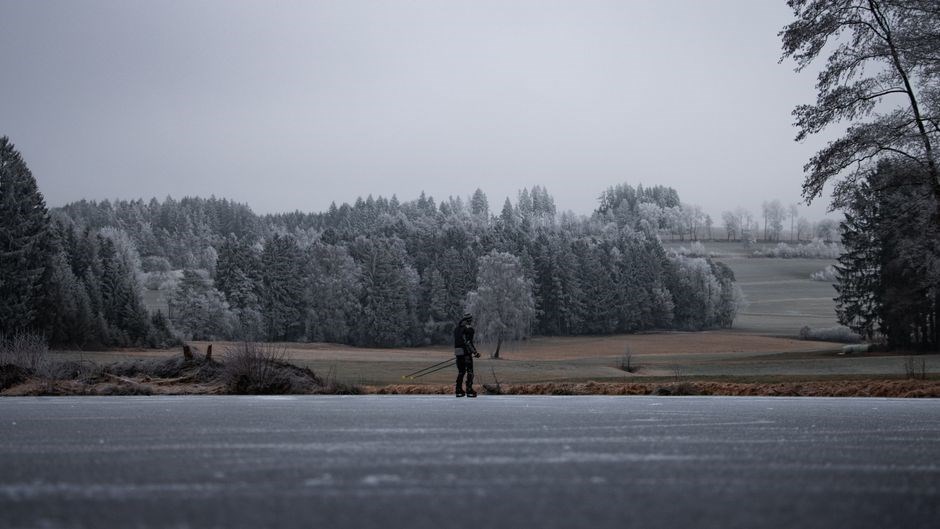
When selecting a pair of skating skis‚ the pole length is a critical companion that directly influences balance‚ rhythm‚ and power output․ The most common rule of thumb is to set the pole strap at a height between the chin and the lower lip‚ which typically translates to a pole that is roughly 10 cm longer than the classic pole you would use for alpine or classic skiing․ This slight extension provides a more natural lever arm for double‑poling while preserving the ability to maintain a clean V‑1 stance on flat terrain․ However‚ poles that exceed this recommended range can become counterproductive: they force the skier to lift the arms higher‚ which increases back muscle fatigue and disrupts the V‑1 form‚ and they can also introduce unnecessary vertical motion that reduces efficiency during V‑2 or double‑poling․ In addition‚ excessively long classic poles interfere with the striding and herringbone techniques‚ limiting the skier’s ability to generate forward momentum on steep or variable snow․ Modern elite skiers have demonstrated that with the right equipment and training‚ a longer pole can be used to double‑pole an entire course‚ but this is typically only viable when the skier’s technique is fully adapted to that length․ For most intermediate and advanced skaters‚ a pole that is 5–10 cm longer than the classic pole offers a balanced compromise between speed on groomed runs and control on technical sections․ Adjusting pole length in tandem with ski length—shorter skis for steep terrain and longer skis for flat‚ high‑speed sections—ensures that the pole remains in the optimal range for each terrain type․ Regular on‑course testing and adjustments based on feel will help fine‑tune the pole‑ski relationship for maximum efficiency․
Brand‑Specific Length Recommendations
Brand‑specific length recommendations vary across manufacturers‚ yet most follow a similar height‑weight matrix․ For example‚ Rossignol’s 176 cm “Ski‑Rider” line is marketed for skaters 5′7″–5′10″ (170–178 cm) weighing 140–170 lb (63–77 kg)․ Atomic’s “Vantage” series recommends 178 cm for 5′8″–5′11″ (173–181 cm) and 180 cm for 5′9″–6′1″ (175–185 cm) with a 150–190 lb (68–86 kg) range․ Salomon’s “S‑Line” models suggest 176 cm for 5′6″–5′9″ (168–175 cm) and 178 cm for 5′8″–6′0″ (173–183 cm) when the skier’s weight is 140–180 lb (63–82 kg)․ Fischer’s “K‑Series” offers 176 cm for 5′7″–5′9″ (170–175 cm) and 178 cm for 5′8″–6′0″ (173–183 cm) with a 140–170 lb (63–77 kg) bracket․ K2’s “X‑Series” recommends 176 cm for 5′6″–5′9″ (168–175 cm) and 178 cm for 5′8″–6′0″ (173–183 cm) when the athlete weighs 140–180 lb (63–82 kg)․ These guidelines are based on the manufacturer’s test data and are meant as a starting point; individual fit should be verified through a demo session or a professional fitting․ Adjustments of ±2–4 cm are common to accommodate personal preference‚ stance width‚ and terrain focus․ Always cross‑check the brand’s official sizing chart‚ as some models use a “plus” or “minus” offset for advanced skaters or those who prefer a more aggressive or relaxed stance․ When in doubt‚ consult a local ski shop or the brand’s certified fitter to ensure the chosen length maximizes both performance and comfort on the trail․ Manufacturers also provide a short‑sleeve option for lighter athletes‚ typically 174 cm for those under 130 lb (59 kg)‚ and a long‑sleeve variant up to 180 cm for heavier skaters above 200 lb (91 kg)․ Additionally‚ the ski’s flex rating should match the skier’s power output; stiffer skis are recommended for advanced riders while softer flex is better for beginners․
Testing and Adjusting Ski Length in the Field
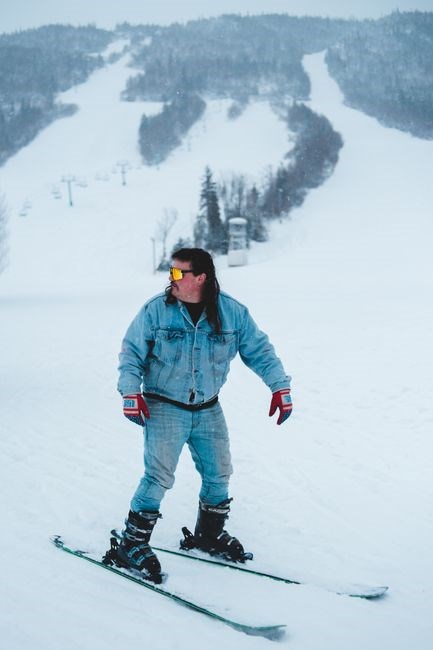
When you first try a new pair of skating skis‚ the most reliable way to fine‑tune length is to perform a series of on‑trail tests that cover the range of terrain you usually tackle‚ starting with a gentle flat run to gauge the ski’s length and whether it feels too short or too long
Next‚ test the ski on a steep‚ carving section․ Here you can assess how the length influences edge control and stability at speed․ A ski that is too short may feel twitchy‚ while a ski that is too long can feel sluggish and may require more effort to keep the edges engaged․
After that‚ run a short‚ high‑intensity interval on a mixed‑terrain slope․ This will reveal how the ski handles rapid changes in speed and direction․ Notice any hesitation when you shift weight from one ski to the other․ If the ski feels unresponsive‚ consider shortening it by a few centimeters․ Conversely‚ if you feel that the ski is “stuck” and you’re constantly fighting against the snow‚ lengthening it slightly may help․
During each test‚ keep a log of your observations: speed‚ comfort‚ edge engagement‚ and any fatigue points․ If you’re unsure‚ bring a friend or a coach to provide objective feedback․ Once you’ve identified the optimal length‚ make a final run on a long‚ continuous slope to confirm that the ski performs consistently over time․ Adjustments should be incremental—no more than 2–4 cm at a time—to avoid drastic changes that could throw off your balance or technique․ Remember‚ the goal is to find a length that feels natural‚ allows efficient power transfer‚ and supports your preferred style of skating․
Choosing the right skating ski length hinges on a few key principles that keep the skier balanced‚ powerful‚ and comfortable․ First‚ the strap should sit between the chin and lower lip‚ a position that naturally aligns the body for efficient double‑poling and carving․ This height is typically about ten centimeters above the classic pole length; poles that exceed this can compromise form and increase back fatigue‚ especially on V1 and V2 techniques․ Second‚ the overall ski length should reflect the skier’s weight and power output․ A 176‑centimeter ski is a solid baseline for most adults‚ offering a good mix of stability and responsiveness‚ but the final decision should be guided by how the skis feel during a short‚ controlled run․ Third‚ brand‑specific construction and flex can alter the effective length‚ so it is wise to test multiple models or consult a reputable shop that can match skis to body weight and skiing style․ Fourth‚ always consider terrain variability: a slightly longer ski may provide better glide on flat sections‚ while a shorter ski can improve edge control on steeper runs․ Finally‚ remember that the pole‑ski relationship is critical; mismatched pole length can negate the benefits of a well‑chosen ski․ By integrating these guidelines‚ skiers can confidently select a length that supports their technique‚ reduces fatigue‚ and enhances performance across a range of conditions․ In practice‚ always pair the chosen length with a pole that feels natural‚ and adjust only after several runs to avoid over‑compensation․!!!??