

Port fuel injection offered a significant leap from carburetors, becoming popular as cars demanded better efficiency and reliability․
It’s a system where fuel is delivered into the intake manifold, enhancing combustion and overall engine performance in manual transmission vehicles․
What is Port Fuel Injection?
Port fuel injection (PFI) is an indirect fuel injection system․ Unlike carburetors which mix air and fuel before intake, PFI sprays fuel into the intake port, just upstream of the intake valve․
This allows for more precise fuel metering, controlled by the engine control unit (ECU)․ The fuel has time to atomize and mix with air before entering the cylinder, improving combustion․ PFI operates at lower pressures than direct injection, contributing to injector longevity and reduced cost․
It’s a system favored for its balance of efficiency, reliability, and affordability, especially during the transition from carburetors, and remains relevant in many modern engines, even in hybrid configurations․
Historical Context: Carburetors to Port Injection
Prior to port fuel injection, carburetors were the standard for fuel delivery in manual cars․ Carburetors mechanically mixed air and fuel, proving less precise and efficient, especially with evolving engine demands․
As automakers sought improvements, port injection emerged as a superior alternative․ It offered better fuel atomization and control, leading to increased power and reduced emissions․ The shift to PFI in the late 20th century represented a significant advancement, providing a stepping stone towards more sophisticated direct injection systems․
PFI’s lower cost and reliability made it a popular choice during this transition, bridging the gap between older and newer technologies․
How Port Fuel Injection Works
Port fuel injection relies on a system delivering fuel to the intake manifold, where it mixes with air before entering the cylinders for combustion in manual cars․
Fuel Delivery System Components
The fuel delivery system in a port injection setup for manual cars comprises several key components working in harmony․ A fuel tank stores the gasoline, which is then drawn by the fuel pump and sent through a fuel filter to remove impurities․
The filtered fuel reaches the fuel rail, a distribution manifold supplying each injector․ A fuel pressure regulator maintains consistent pressure within the rail, crucial for accurate fuel metering․ Finally, fuel injectors, strategically positioned near the intake valves, spray fuel into the intake ports, preparing the air-fuel mixture for combustion․
The Role of the Fuel Injector
Fuel injectors are pivotal in port injection systems, precisely metering fuel delivery․ Operating at manifold pressure – lower than cylinder pressure – they atomize fuel into a fine mist for efficient combustion․ This contrasts with direct injection’s higher-pressure demands․
Their design prioritizes reliability and cost-effectiveness, avoiding the need for expensive high-pressure pumps․ Injectors open and close rapidly, controlled by the ECU, delivering the correct fuel quantity at the optimal time․ Proper function ensures complete fuel burning, minimizing unburnt particles and maximizing engine power․
ECU Control and Timing
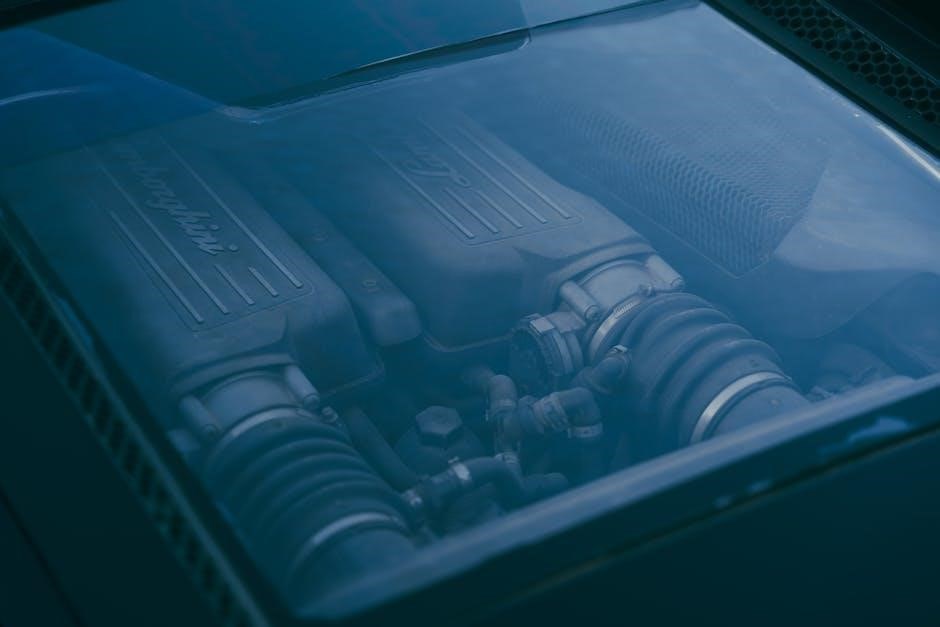
The Engine Control Unit (ECU) orchestrates port fuel injection, meticulously controlling injector timing and duration․ It analyzes data from various sensors – engine speed, load, and temperature – to calculate the precise fuel needed for optimal combustion․
Precise timing is crucial; injecting fuel too early risks pre-ignition, especially in turbocharged engines, while late injection reduces efficiency․ The ECU adjusts these parameters dynamically, ensuring peak performance and fuel economy․ This sophisticated control system maximizes the benefits of port injection, adapting to driving conditions and maintaining engine stability․
Advantages of Port Fuel Injection
Port injection excels in fuel atomization, boosting efficiency and reducing unburned particles․ Lower operating pressures enhance injector reliability and reduce system costs compared to alternatives․
Improved Fuel Atomization and Efficiency
Port fuel injection significantly improves fuel atomization, a crucial factor in combustion efficiency․ By injecting fuel into the intake manifold, it allows ample time for the fuel to evaporate and mix thoroughly with air before entering the cylinder․
This pre-evaporation process results in a more homogenous air-fuel mixture, leading to more complete combustion and reduced levels of unburned hydrocarbons exiting the engine as soot․ Consequently, port injection systems contribute to better fuel economy and lower emissions․ The system’s design inherently supports a more efficient burn, maximizing the energy extracted from each fuel droplet․
Lower Injector Operating Pressures & Reliability
Port fuel injection boasts enhanced reliability due to its lower operating pressures compared to direct injection systems․ Injectors operate at manifold pressures, significantly reducing stress and wear, unlike direct injection’s high cylinder pressures․
This translates to a simpler, more robust design, eliminating the need for expensive, high-pressure fuel pumps․ The reduced complexity contributes to lower manufacturing costs and a decreased likelihood of component failure․ Consequently, port injection systems historically proved to be a dependable and cost-effective solution when transitioning from carburetor technology․
Cost-Effectiveness Compared to Direct Injection
Port fuel injection presents a compelling cost advantage over direct injection systems․ The lower operating pressures necessitate simpler fuel delivery components, avoiding the need for expensive, high-pressure fuel pumps and intricate injector designs․
Furthermore, port injection typically requires less sophisticated particulate filters and catalytic converters, reducing overall system costs․ While direct injection aims for ultimate fuel efficiency, the added expense of its complex components often outweighs the savings for many applications․ Port injection remains a viable, budget-friendly option, particularly in vehicles where maximizing fuel economy isn’t the sole priority․
Disadvantages and Limitations
Port injection can suffer from pre-ignition or knocking, especially with turbocharging, due to higher manifold temperatures and pressures, requiring higher octane fuel․
Potential for Pre-Ignition/Knocking
Port fuel injection systems, while efficient, are susceptible to premature ignition, often called knocking or detonation․ This occurs when the air-fuel mixture ignites before the spark plug fires, leading to reduced power and potential engine damage․
As engines strive for greater efficiency through higher compression ratios and increased temperatures, the risk of pre-ignition rises․ The fuel, present in the intake manifold, can ignite from residual heat or hot spots, particularly under load․ Utilizing higher octane fuel can mitigate this, but it’s a costly solution that merely postpones the issue․
Impact of Turbocharging on Pre-Ignition
Turbocharging significantly exacerbates the pre-ignition problem in port fuel injection systems․ The compressor increases intake manifold pressure and temperature, creating a more volatile environment for the air-fuel mixture․ This heightened temperature, combined with increased pressure, dramatically lowers the ignition point of the fuel․
Consequently, even with higher octane fuel, the risk of detonation increases substantially․ The manifold temperatures can become high enough to spontaneously ignite the fuel before the spark plug fires, especially during aggressive driving․ This makes turbocharging and port injection a challenging combination, often necessitating careful engine management and fuel selection․
Octane Rating Considerations
Octane rating plays a crucial role in mitigating pre-ignition with port fuel injection, particularly in performance applications․ Higher octane fuels resist detonation better, delaying combustion and allowing the engine to operate safely with increased compression or boost․ However, simply increasing octane isn’t a complete solution․
While higher octane can suppress knocking, it doesn’t lower intake temperatures – the root cause of the problem․ It merely buys time․ Furthermore, higher octane fuels are more expensive, representing an ongoing cost․ Ultimately, increasing octane is often a temporary fix, masking the underlying issue and pushing the limitations of the port injection system․
Port Injection vs․ Direct Injection
Port injection delivers fuel into the manifold, while direct injection sprays it directly into the cylinder․ This difference impacts compression ratios, temperature, and overall fuel efficiency․
Key Differences in Fuel Delivery
Port fuel injection introduces fuel into the intake port, just upstream of the intake valve, allowing ample time for mixing with air before combustion․ This contrasts sharply with direct injection, where fuel is sprayed directly into the combustion chamber․

This pre-chamber mixing in port injection aids in fuel atomization and cooling, reducing the risk of pre-ignition, especially crucial in manual cars with varied driving styles․ However, direct injection offers precise control over timing and quantity, optimizing combustion for higher compression ratios and temperatures․ The timing control in direct injection prevents detonation before the spark plug fires․
Ultimately, the delivery method dictates engine characteristics, influencing efficiency, power output, and susceptibility to knocking․
Compression Ratio and Temperature Effects

Port fuel injection systems face limitations with increasing compression ratios and intake temperatures․ Higher temperatures within the intake manifold, particularly in turbocharged manual cars, can lead to premature fuel ignition – known as knocking or detonation․ This is because the fuel-air mixture has more time to heat up before the spark plug fires․
Direct injection mitigates this by injecting fuel directly into the cylinder, bypassing the warmer intake environment․ Higher octane fuel can temporarily delay ignition, but it’s a costly workaround․ Port injection’s susceptibility restricts the potential for maximizing thermal efficiency through aggressive compression ratios, impacting overall fuel economy․
Overall Fuel Efficiency Comparison
Port fuel injection, while a substantial improvement over carburetors, generally trails direct injection in overall fuel efficiency․ The longer fuel evaporation time in port injection can lead to more complete combustion, reducing unburned particles, but it’s offset by limitations imposed by pre-ignition risks․
Direct injection allows for higher compression ratios and precise fuel control, maximizing thermal efficiency․ Though port injection is cost-effective and reliable, the fuel savings from direct injection often outweigh the added complexity and expense․ Modern experimental engines sometimes re-incorporate port injection for niche efficiency gains, demonstrating its continued relevance․

Maintenance and Common Issues
Regular maintenance includes injector cleaning or replacement, and checking the fuel pressure regulator․ These are typically $300-$500 services, potentially needed every 50,000-100,000 miles․
Injector Cleaning and Replacement
Over time, port fuel injectors can become clogged with deposits, hindering optimal fuel delivery and impacting engine performance․ Regular cleaning, often performed using specialized fuel system cleaners added to the gas tank, can help dissolve these deposits and restore flow․

However, in cases of severe clogging or injector failure, replacement becomes necessary․ This involves removing the old injectors, installing new ones, and ensuring proper sealing to prevent fuel leaks․ The cost of replacement varies depending on the vehicle and the type of injector, but it’s a crucial maintenance item for maintaining engine efficiency and preventing potential issues like misfires or rough idling․
Fuel Pressure Regulator Problems

The fuel pressure regulator maintains consistent fuel pressure to the injectors, vital for proper atomization and combustion․ A failing regulator can cause either too much or too little fuel to reach the engine․ Low pressure results in lean conditions, potentially leading to misfires and reduced power, while excessive pressure can cause rich mixtures and poor fuel economy․

Symptoms of a faulty regulator include rough idling, difficulty starting, and a noticeable drop in fuel efficiency․ Diagnosis often involves checking fuel pressure with a gauge․ Replacement is typically straightforward, but ensuring the new regulator is correctly calibrated is essential for optimal engine performance․
Typical Maintenance Intervals & Costs
Port fuel injection systems require periodic maintenance to ensure optimal performance․ Injector cleaning is often recommended every 50,000 to 100,000 miles, costing between $300 and $500, depending on the vehicle and method used․ Fuel filter replacement is crucial every 30,000 to 50,000 miles, typically costing $100-$200․
Fuel pressure regulator checks are often included in routine servicing․ More significant repairs, like injector replacement, can range from $500 to $1500, depending on the number of injectors and labor costs; Regular maintenance prevents costly issues and maintains fuel efficiency․
Port Injection in Modern Engines
Modern engines sometimes combine port and direct injection for optimal efficiency, while experimental designs still utilize port injection to maximize fuel evaporation and combustion․
Hybrid Approaches: Combining Port & Direct Injection
Modern engine development increasingly explores hybrid fuel injection systems, strategically blending the strengths of both port and direct injection technologies․ This approach often utilizes direct injection for high-load situations, maximizing power and efficiency when demanded, while employing port injection during lower-load cruising․

The port injection component enhances fuel vaporization, reducing particulate matter and improving overall combustion stability․ This is particularly beneficial in manual transmission cars where driver control over engine load is more pronounced․ Such systems aim to mitigate the drawbacks of each method individually, achieving a balance between performance, fuel economy, and emissions control․ It’s a clever solution for optimizing engine behavior across a wider range of driving conditions․

Experimental Engine Designs Utilizing Port Injection
Despite the rise of direct injection, port fuel injection continues to inspire innovative engine designs, particularly in research focused on maximizing efficiency․ Some experimental engines leverage port injection’s superior fuel atomization to reduce soot formation, a critical concern for meeting stringent emissions standards․
These designs often pair port injection with advanced combustion strategies like lean-burn or homogeneous charge compression ignition (HCCI)․ In manual cars, this allows for precise control over fuel delivery, optimizing combustion for specific driving scenarios․ Researchers are also exploring port injection’s potential in highly diluted combustion systems, aiming for exceptional fuel economy without sacrificing power․
Future Trends in Fuel Injection Technology
The future of fuel injection isn’t solely about abandoning port injection; instead, it’s leaning towards intelligent hybridization․ We’re likely to see more engines combining direct and port injection, leveraging the strengths of both systems for optimal performance and efficiency in manual cars․
Advanced control algorithms will dynamically switch between injection methods based on driving conditions․ Furthermore, research into improved fuel atomization techniques for port injection could revitalize its efficiency․ Expect to see innovations in injector nozzle design and fuel delivery strategies, potentially making port injection a viable, cost-effective option for future engine designs․